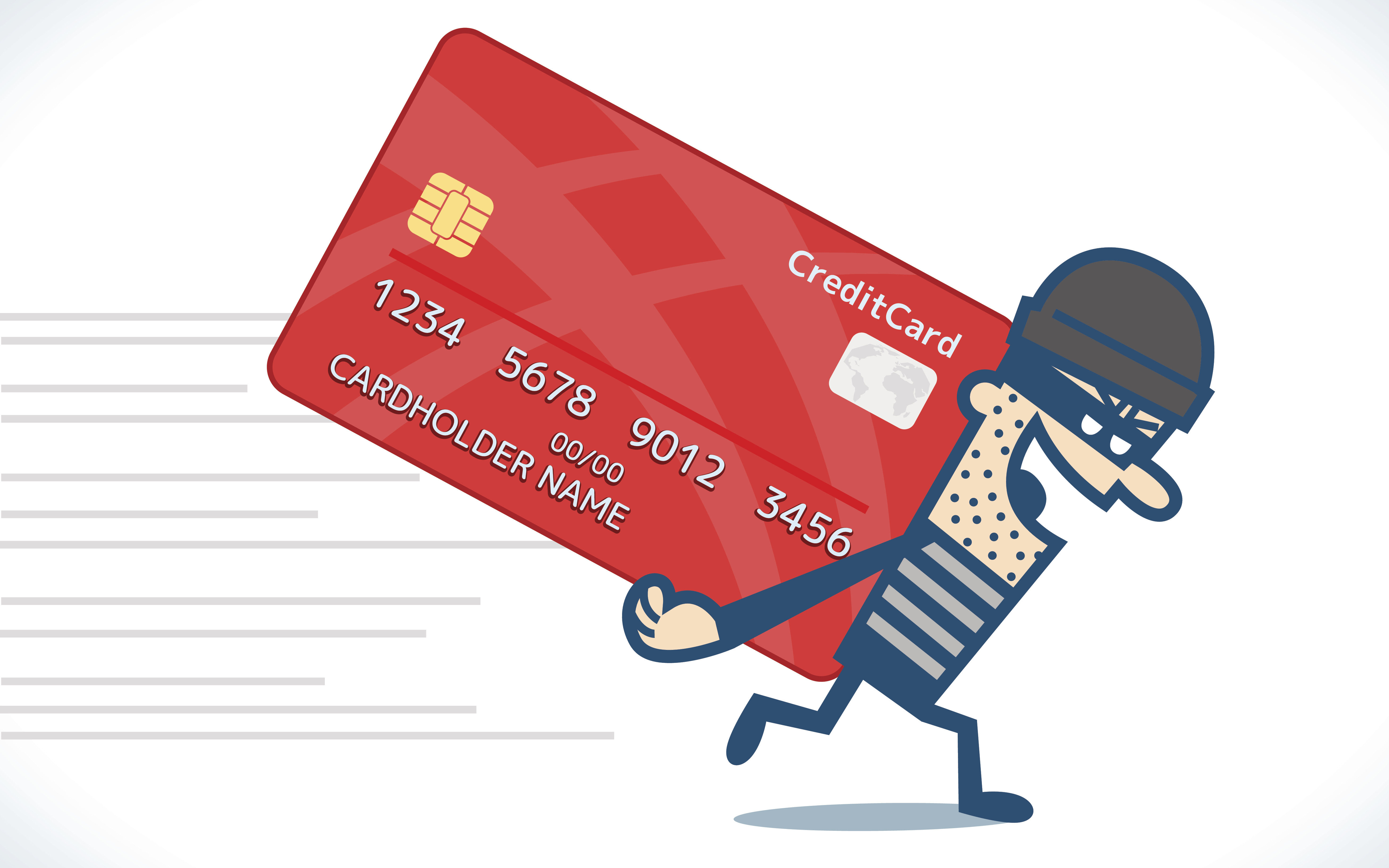
In the last five years, credit card fraud in the United States has surged at a rate no one expected. Online transactions have doubled, mobile payments have become the default, and criminals now use automation to test stolen card numbers within seconds. For everyday consumers, the question is no longer “Will it happen?” but “How do I prevent it before it starts?”
This is where Credit Card Fraud Protection systems have evolved dramatically. What used to be simple charge alerts has now become a combination of AI-driven monitoring, encrypted transaction scoring, behavioral pattern detection, and real-time identity verification.
1. How modern credit card fraud happens
Most Americans associate fraud with “someone stole my card,” but in 2026, fraud looks very different:
- Digital skimming on retail websites
- Credential stuffing attacks using leaked passwords
- Fake checkout pages mimicking major retailers
- Wi-Fi man-in-the-middle interception
- Automated bot testing of card numbers
- Synthetic identity fraud using AI-generated IDs
This shift is why traditional fraud detection is no longer enough.
2. The core of 2026 Credit Card Fraud Protection
Modern protection systems use layered security:
🔐 Behavioral Biometrics
Your phone, your typing rhythm, your swiping pressure — all become fraud signals.
⚠️ Real-time Transaction Scoring
Every purchase is compared with millions of patterns:
- location
- device
- merchant category
- spending history
- risk probability
If the score crosses a threshold, the transaction is blocked instantly.
🔄 Continuous Identity Verification
Instead of checking the user once, the system validates identity throughout the session.
🛡 Zero-Liability Backing
Most banks now offer:
- Automatic refunds
- Instant dispute filing
- Proactive monitoring
But the consumer still needs the correct setup to activate these benefits.
3. Why Americans are upgrading Fraud Protection in 2026
Three reasons are driving adoption:
- Unauthorized digital charges have increased 67% since 2022
- Mobile payment scams are easier than card theft
- More shopping happens on unsecured websites
Consumers want security that works automatically in the background — without requiring constant checking.
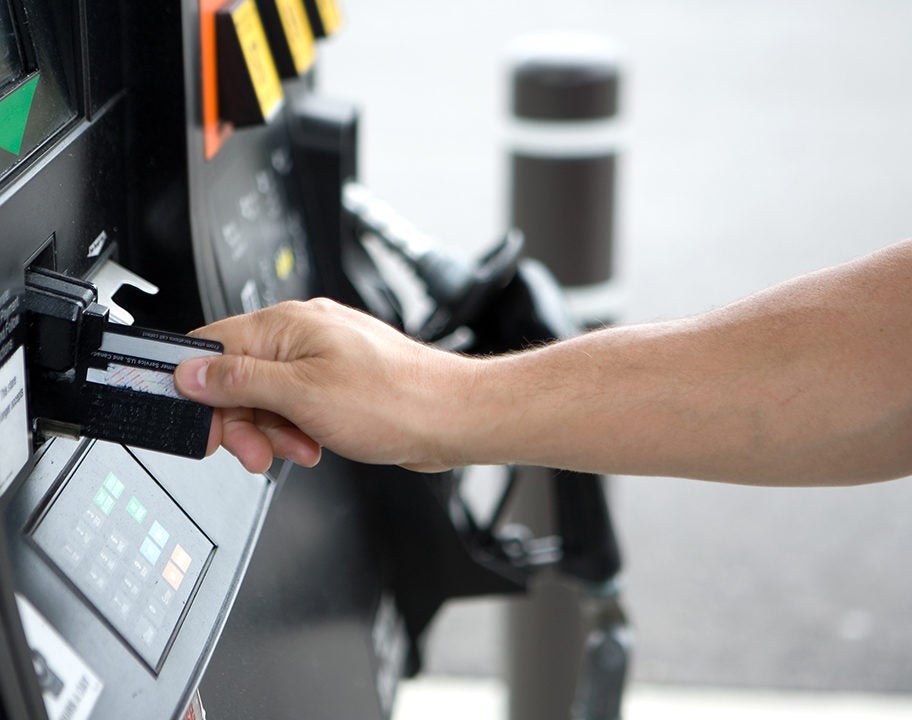
4. 8 Simple habits that reduce credit card fraud by over 80%
Experts recommend:
- Use virtual card numbers for online shopping
- Enable transaction alerts for all purchases
- Avoid debit card use online
- Use credit freezes on unused accounts
- Update passwords every 90 days
- Use Wi-Fi only with VPN
- Avoid linking multiple bank accounts to the same wallet
- Use banks that offer modern AI-driven fraud scoring
These simple behaviors dramatically reduce exposure.
5. Why this matters for 2026 and beyond
As AI develops, criminals are moving faster—but so are the protection systems.
The future of Credit Card Fraud Protection is proactive, not reactive. Instead of asking consumers to “notice something strange,” systems now detect suspicious activity long before the user ever sees it.
For Americans who shop online, use mobile payments, or travel frequently, modern protection is no longer optional — it’s essential.