Breast cancer is one of the most common cancers among women in the US, affecting approximately 1 in 8 women over their lifetime, though it can also occur in men. Early detection significantly improves outcomes, as emphasized by national health organizations. While regular screenings like mammograms are recommended starting at age 40 for average-risk individuals, being aware of potential early signs allows for proactive health monitoring. However, not all changes indicate cancer—many are benign—and self-exams should complement, not replace, professional checkups.
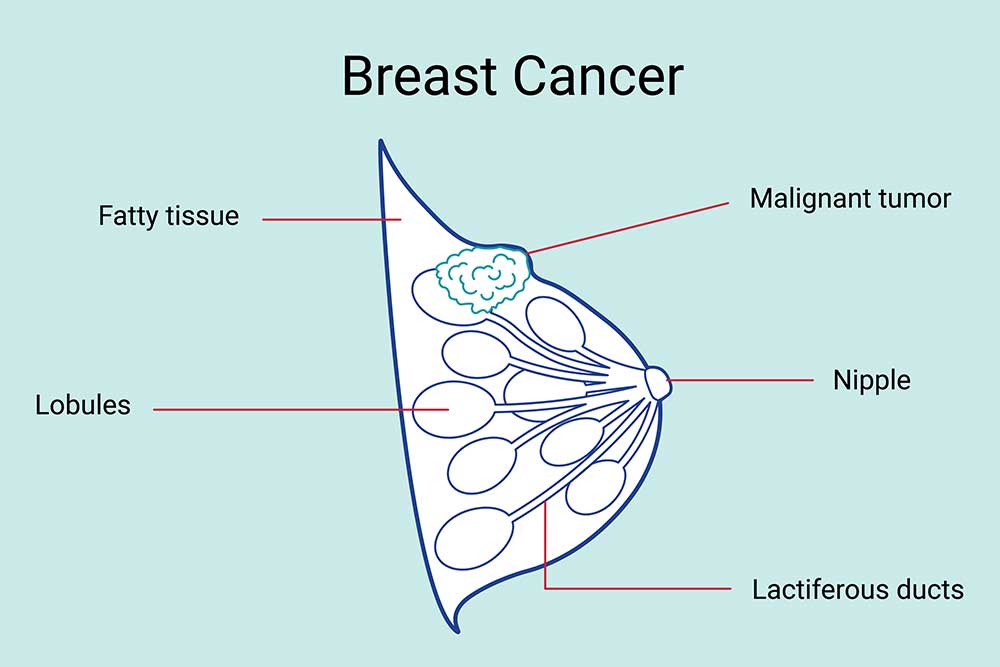
Here are several key early signs of breast cancer to recognize, drawn from guidelines by the American Cancer Society, CDC, and Mayo Clinic. If you notice any of these, consult a doctor immediately:
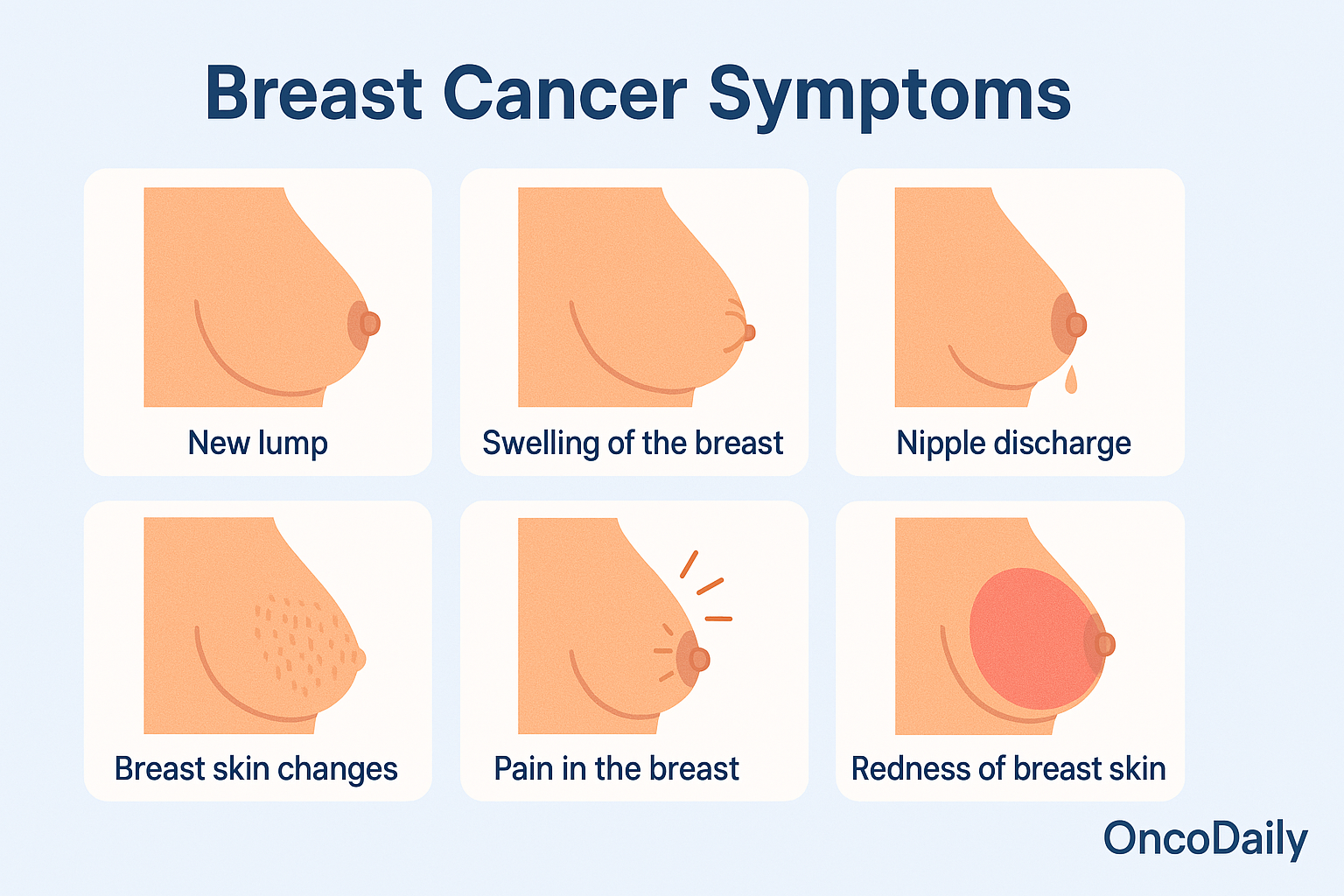
- A New Lump or Mass in the Breast or Underarm: This is the most common early sign. A painless, hard lump with irregular edges is more likely to be cancerous, though tender, soft, or round lumps can also occur and should be checked.
- Thickening or Swelling of Part of the Breast: Unexplained swelling, even without a distinct lump, can be an indicator. This may affect one breast more than the other or occur in specific areas.
- Skin Changes, Such as Dimpling or Irritation: The skin may appear dimpled (like an orange peel), irritated, or puckered. Redness, flakiness, or scaling around the nipple or breast skin is another red flag.
- Nipple Changes, Including Retraction or Discharge: A nipple that turns inward (inversion) or produces discharge other than breast milk—especially if bloody—warrants attention. Pain in the nipple area can also be a symptom.
- Changes in Breast Size or Shape: Any noticeable alteration in the size, shape, or contour of the breast, particularly if asymmetrical, should be evaluated. This could include visible bulging or distortion.
- Persistent Breast or Nipple Pain: While breast pain is often unrelated to cancer (e.g., hormonal changes), ongoing or localized pain without an obvious cause is worth discussing with a healthcare provider.
- Swollen Lymph Nodes: Enlarged lymph nodes under the arm or around the collarbone can sometimes be felt before a breast tumor is noticeable, as cancer may spread to these areas early.
In the US, resources like the American Cancer Society’s helpline (1-800-227-2345) and CDC’s breast cancer programs offer free information and support. During Breast Cancer Awareness Month in October, many communities host events to promote education. Remember, these signs can stem from non-cancerous conditions, so professional diagnosis is essential. If you’re at higher risk—due to family history, genetics, or other factors—discuss personalized screening with your doctor. Staying informed empowers better health decisions, but this article is not a substitute for medical advice.