Breast cancer affects thousands across the UK each year, and early detection is key to improving survival rates, which currently stand at around 76% for 10 years or more when diagnosed at stage 1. Organizations such as the NHS and Cancer Research UK emphasize the importance of being breast aware, regardless of age or gender, though it’s more common in women over 50. Routine screening is offered to women aged 50-71 via the NHS Breast Screening Programme, but knowing potential early signs allows for prompt action outside of screenings. Remember, most breast changes are not cancerous, but getting checked by a healthcare professional is essential.
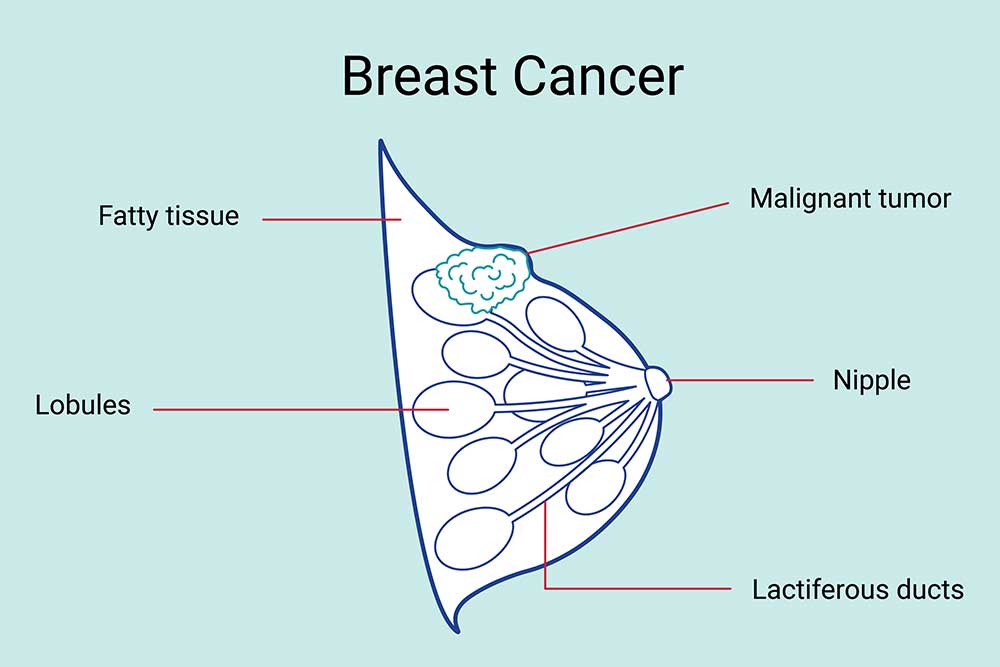
Based on NHS and other UK health authority guidelines, here are several common early signs of breast cancer to watch for. If you notice any, contact your GP as soon as possible:
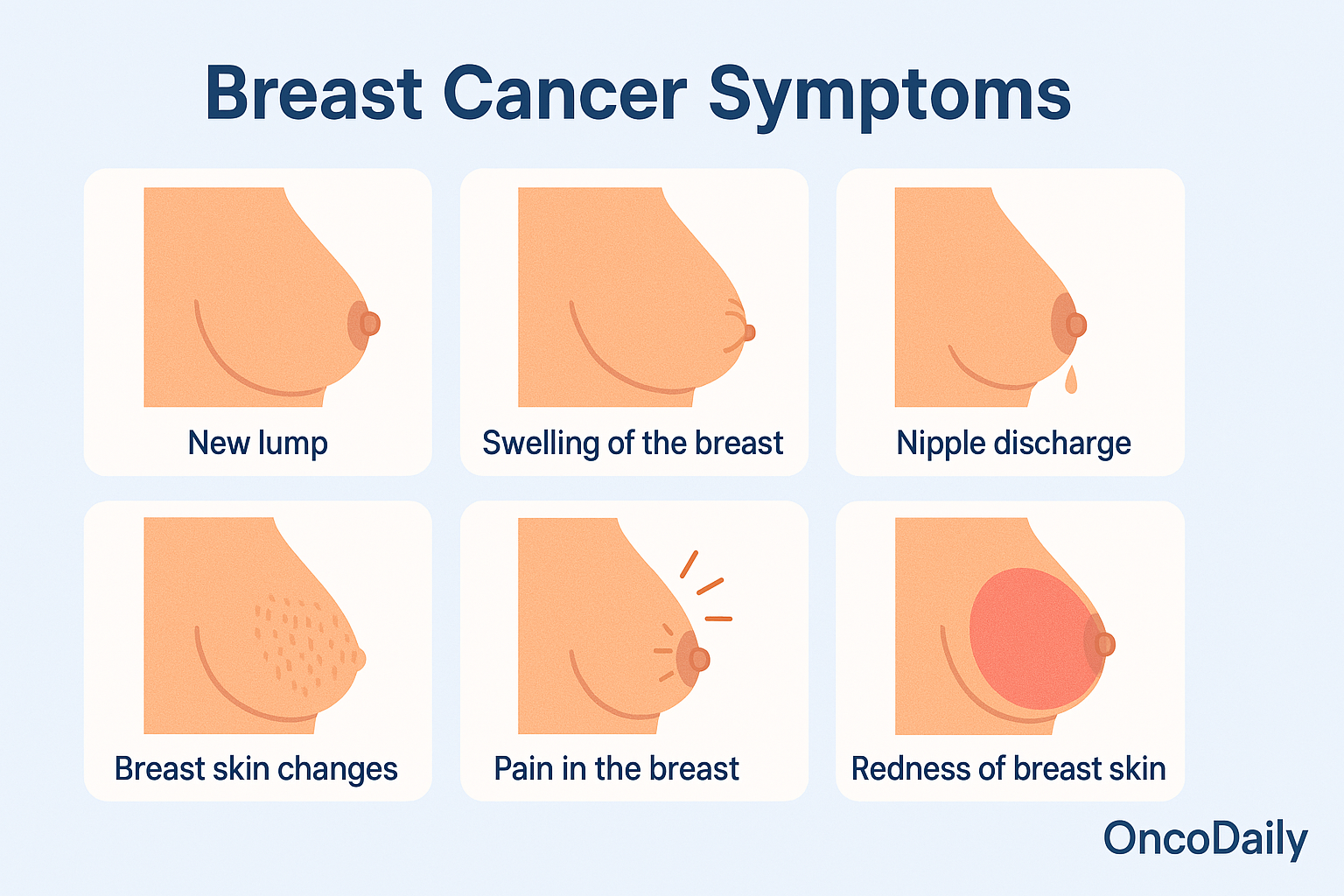
- A Lump or Swelling in the Breast, Chest, or Armpit: This is often the first noticeable symptom. It may feel like a hard, painless lump, but any new thickening or swelling should be examined, even if it’s not painful.
- Changes in the Size, Shape, or Feel of the Breast: One breast may become larger or lower than the other, or there could be an unusual change in contour. This might include puckering or dimpling of the skin, resembling orange peel.
- Skin Changes on the Breast: Look for redness, rash, or irritation on the breast or nipple area. Dimpling, puckering, or flaky/scaly skin can also occur, and these may be more visible on lighter skin tones but harder to spot on darker skin.
- Nipple Changes, Including Inversion or Discharge: The nipple might turn inwards (retraction) if it hasn’t been that way before, or there could be discharge that’s not breast milk—especially if it’s from one nipple only or contains blood.
- Persistent Pain in the Breast or Armpit: While breast pain is common and often linked to hormonal changes, ongoing pain that’s not related to your menstrual cycle or doesn’t go away should be checked.
- Changes in the Colour of the Breast: The skin might become red, inflamed, or darker in patches. This can sometimes be mistaken for an infection, but if it persists, seek advice.
- Swollen Lymph Nodes or Unusual Fatigue: Enlarged lymph nodes under the arm or around the collarbone can be an early indicator. In rare cases, unexplained tiredness or weight loss might accompany other symptoms.
In the UK, if you spot any of these signs, book an appointment with your GP urgently—don’t wait for your next screening. The NHS provides free support through its website (nhs.uk) and helplines like Macmillan Cancer Support (0808 808 00 00). During Breast Cancer Awareness Month in October, additional resources and events are available nationwide. Higher-risk groups, such as those with a family history or genetic factors like BRCA mutations, may qualify for earlier or more frequent screenings via referral. This information is general and not a substitute for professional medical advice—early checks can make a real difference.
