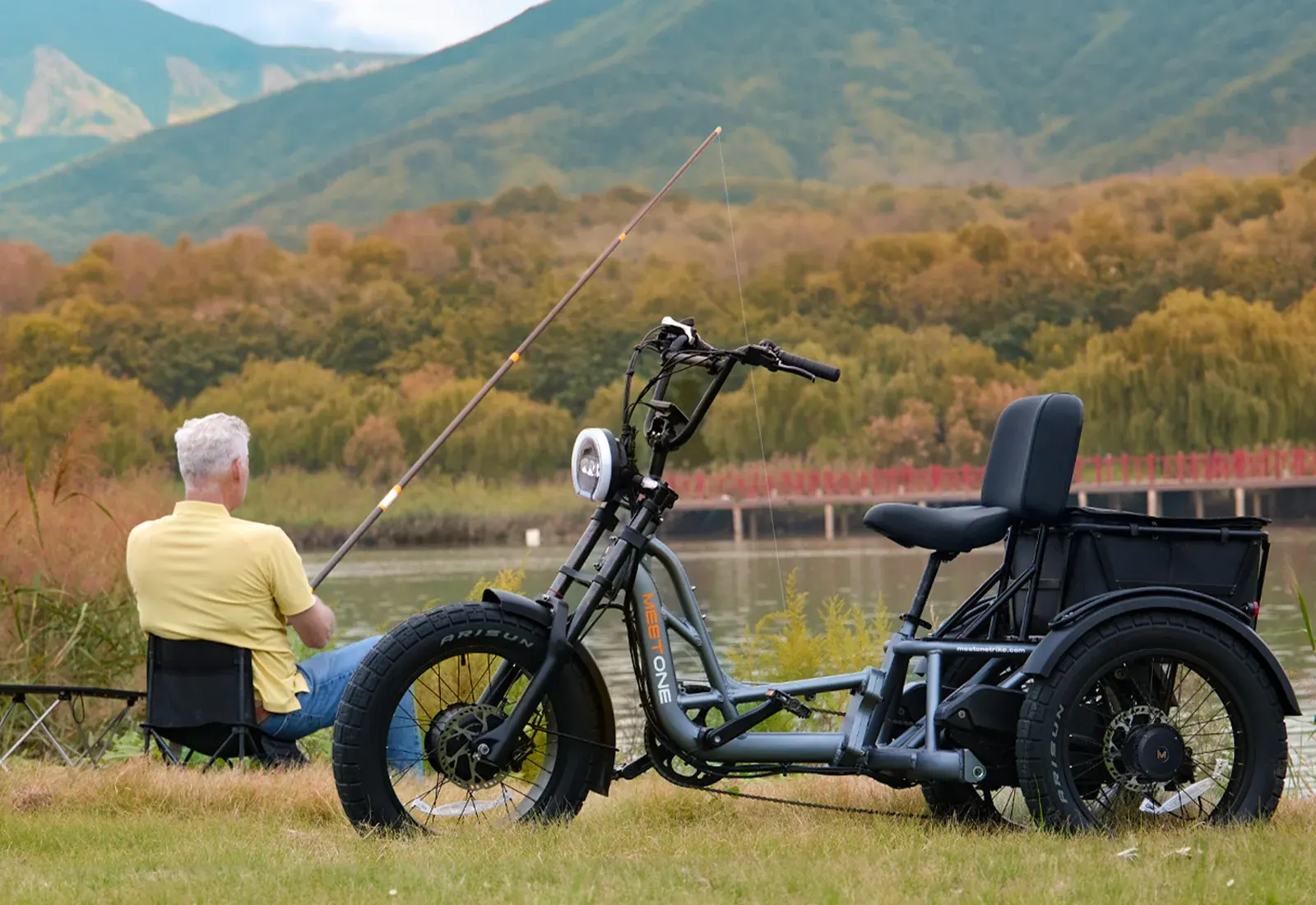
Why Consider an Electric Tricycle?
Electric tricycles stand out from traditional bikes due to their three-wheel design, which provides better balance and support. This makes them especially suitable for people who may find two-wheeled bikes challenging, such as seniors or those with mobility concerns. Powered by rechargeable batteries, these vehicles produce no emissions while in use, contributing to a cleaner environment. They’re not just for recreation—they can handle everyday tasks like commuting to work or running to the store.
Many users appreciate how electric tricycles reduce physical strain. The electric assist helps with pedaling, especially on hills or during longer trips, allowing riders to go farther without fatigue. If you’re curious about integrating one into your routine, think about your daily needs: Do you need extra storage? A comfortable seat? Or something compact for city living?
Types of Electric Tricycles to Explore
Electric tricycles come in various styles, each tailored to specific uses. Here’s a breakdown to help you compare:
- Cargo Models: These feature spacious baskets or compartments, ideal for carrying shopping bags, tools, or even small pets. They’re great for urban errands or family outings.
- Recumbent Styles: With a laid-back seating position, these prioritize comfort by easing pressure on the back, neck, and wrists. Perfect for longer rides or those with joint issues.
- Folding Versions: Compact and portable, these fold up for easy storage in apartments or public transport. They’re a smart choice for commuters who mix biking with buses or trains.
When exploring options, consider models focused on stability, like those with wider wheelbases or low centers of gravity. Brands often highlight these in their designs to enhance safety and ease of use.
Key Features to Look For
To make an informed choice, focus on features that align with your priorities. Here’s a list of essential ones commonly found in popular models:
- Battery Range: Most offer 20-50 miles per charge, depending on terrain and rider weight. Look for lithium-ion batteries for longer life and quicker recharges (typically 4-6 hours).
- Motor Power: Rated in watts (e.g., 250-750W), this determines speed (up to 20 mph in many cases) and hill-climbing ability. Throttle or pedal-assist modes give flexibility.
- Safety Elements: Integrated lights, reflectors, and disc brakes ensure visibility and reliable stopping. Some include adjustable seats and suspension for a smoother ride.
- Build Quality: Durable frames (aluminum or steel) resist weather, while puncture-resistant tires add reliability for daily use.
- Additional Perks: USB ports for charging devices, adjustable handlebars for different heights, and weather-resistant covers for protection.
Real users often share that these features make rides more enjoyable. For instance, one rider noted how the stability helped them confidently navigate uneven sidewalks.
Cost and Maintenance Tips
Prices for electric tricycles range from around $1,000 for basic models to over $3,000 for premium ones with advanced features. Factor in long-term savings, like reduced fuel costs compared to cars. Maintenance is straightforward—regular checks on tires, brakes, and battery health go a long way. Many come with warranties covering key components.
If you’re new to this, start by checking local regulations: Electric tricycles are often treated like bikes, allowed on paths and lanes, but rules vary by area.
A Real-Life Example: Switching to Electric Tricycles
Consider Jane from Portland, who ditched her car for an electric cargo tricycle. She uses it for her daily commute and weekend market trips, enjoying the fresh air and lower stress levels. “It’s stable enough for my groceries, and the electric boost makes hills a breeze,” she says. Stories like hers show how these vehicles can enhance everyday life.
Common Questions About Electric Tricycles
- Are they legal on roads? Yes, in most places where bikes are allowed, but always verify local laws.
- How long to charge? Usually 4-6 hours for a full battery.
- Suitable for seniors? Absolutely—the stability and comfort features make them a great option for elderly riders.
Electric tricycles aren’t just a trend; they’re a practical way to embrace sustainable travel. If you’re interested in learning more about specific models or comparisons, resources like bike review sites can provide deeper insights. What are your thoughts on trying one out? Share in the comments below!
Sources:
Electric Bike Reviews & Testing