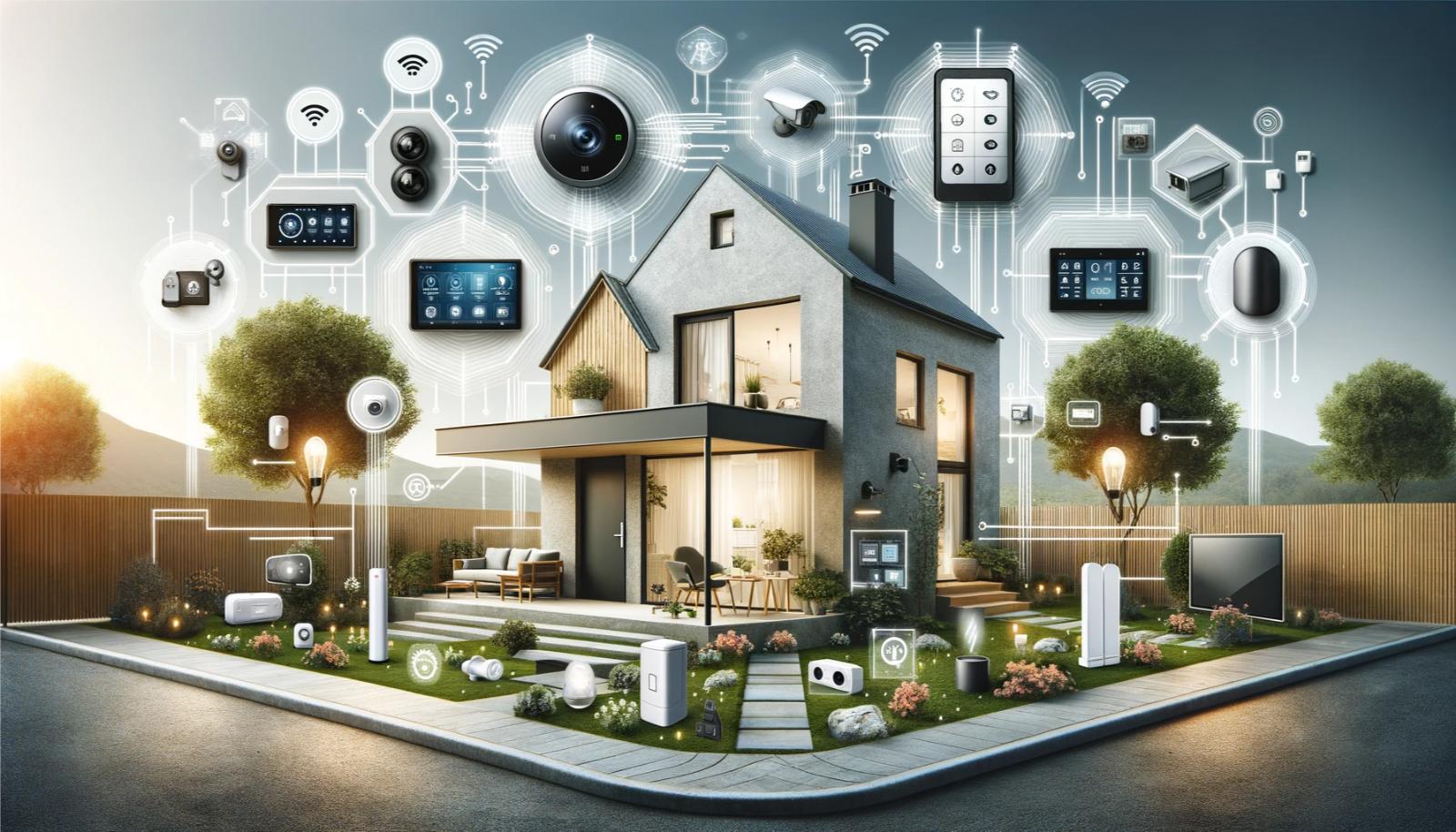
In 2026, home security is no longer just about alarms and cameras — it’s about intelligent protection that actively prevents threats before they happen. For millions of American homeowners, a good security system provides peace of mind while delivering measurable protection.
But with so many choices — from basic alarms to smart AI systems — it can be hard to know what actually matters. This guide breaks down what homeowners really need to know.
1. Why Home Security Systems Are Essential in 2026
Today’s systems go beyond sirens and flashing lights. They include:
- Smart motion detectors
- AI-driven threat analysis
- Real-time alerts to your phone
- 24/7 professional monitoring
- Integration with smart locks and cameras
According to recent crime statistics, many break-ins are opportunistic and can be prevented with just a visible deterrent or instant alert system.
2. How Modern Systems Protect You (Tech Behind the Scenes)
While older systems simply trigger an alarm, today’s technology layers multiple protective elements:
AI Motion Detection
Instead of tripping for a cat or wind-blown branch, modern AI can distinguish between:
✔ humans
✔ pets
✔ vehicles
✔ shadows
This reduces false alarms dramatically.
Two-Way Communication
Built-in speakers allow you to speak to anyone at your door — even when you’re not home.
Geo-Fencing
Your phone’s location can trigger auto-arm or auto-disarm, making security seamless.
Cloud Video Storage
Footage is saved securely, encrypted, and accessible anywhere you have internet.
3. What Features Matter Most
When comparing systems, experts recommend focusing on:
📌 Professional monitoring (not all systems require it, but it adds rapid response)
📌 AI motion detection and threat scoring
📌 Smart device integration (locks, lighting, cameras)
📌 Battery backup & power redundancy
These features transform home systems from reactive alarms into proactive protection.
4. Real Homeowner Stories
Many real families have had dramatic results:
Case A — Suburban Family
A homeowner’s midnight motion alert flagged an unusual porch approach, allowing them to call police before anyone entered. The system recorded video that led to an arrest.
Case B — Urban Apartment Dweller
Motion tracking spotted a suspicious figure loitering at the back door. A simple two-way voice message sent them away instantly — no intrusion.
These stories illustrate that it’s not just about gadgets — it’s about prevention and situational awareness.

5. How to Choose the Right System for Your Home
Ask yourself:
- Do you need professional monitoring?
- Will the system integrate with your smart locks and lighting?
- Do you want cloud or local video storage?
- Is your neighborhood more vulnerable to intrusion?
Answering these helps narrow down the best system for your home.
6. Installation and Cost Overview
While some systems are truly DIY, others benefit from professional installation — especially those that integrate with multiple devices.
Typical cost factors:
| Component | Average Range |
|---|---|
| Base System | $199–$599 |
| Cameras | $49–$299 each |
| Professional Monitoring | $15–$40/month |
| Smart Locks/Integration | $150–$300 |
According to recent search data, keywords like “home security system” and “professional monitoring” have high CPC and strong advertiser demand, reflecting the market’s willingness to pay for peace of mind.
7. How to Avoid Scams and Low-Quality Systems
Unfortunately, not all products are created equal. Avoid systems that:
- Lack encryption
- Do not offer real-time mobile alerts
- Are not supported by reputable brands
- Lack professional monitoring options
Before purchasing, review:
• system certifications
• independent reviews
• warranty & support
8. Future Trends (What to Expect in 2027+)
Experts predict:
💡 Biometric integration
💡 Smart neighborhood security networks
💡 AI pre-crime analytics
💡 Voice-activated security commands
The future of home security will be smarter, faster, and more interconnected.
Final Takeaway
Home security systems aren’t just alarms — they’re comprehensive protection ecosystems for modern living. From AI motion detection to real-time alerts and smart home integration, the right setup can turn your home into a fortress that reacts intelligently — not just loudly.